Project Summary
Challenge
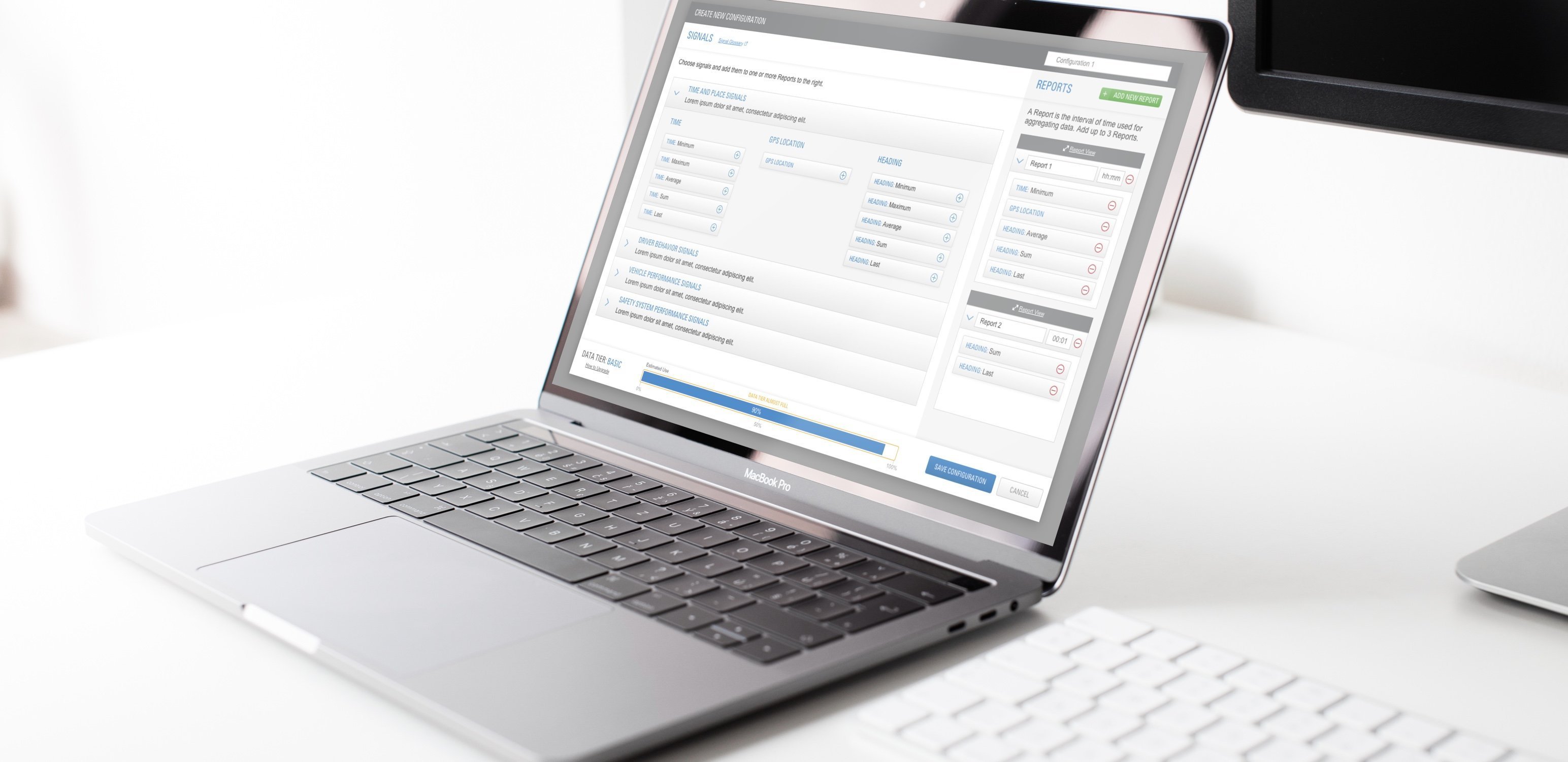
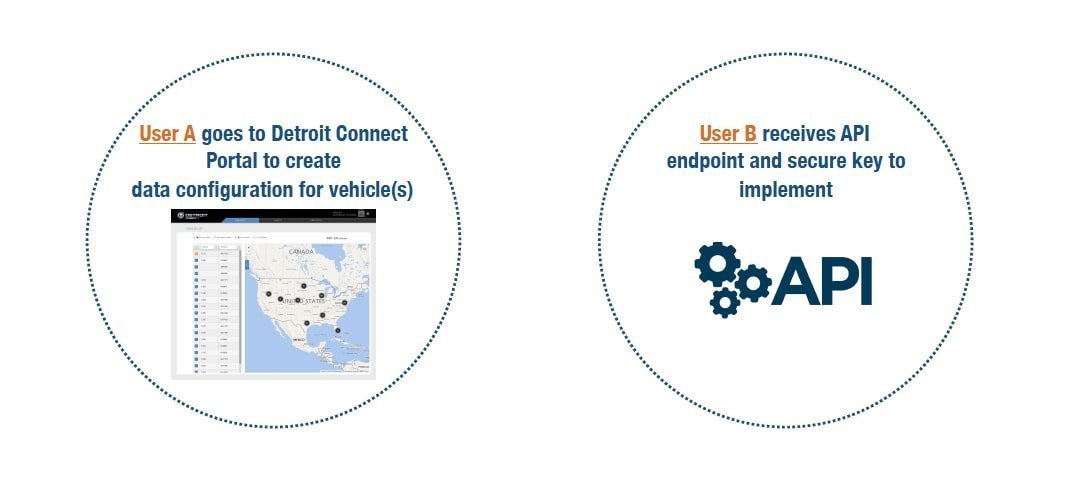
Design a data access configuration tool that is easy to comprehend and enjoyable to use—for everybody from the intern to the data scientist—and can be used by multiple users for different steps.
Brief
Daimler Trucks North America needed a comprehensive solution for fleet operators to access and configure vehicle data streams. The existing system was fragmented, complex, and required extensive technical knowledge to operate effectively. Fleet managers, data analysts, and business users struggled to customize data delivery according to their specific operational needs.
The challenge was to create an intuitive interface that could serve users across the entire spectrum of technical expertise—from interns just learning the system to experienced data scientists requiring advanced configuration options.
Assignment
As Lead UX Designer, I was tasked with designing the Detroit Connect Direct platform—a data access configuration tool that would revolutionize how Daimler's customers interact with fleet analytics data. The assignment required:
- User Research: Understanding the diverse needs of fleet operators, from small business owners to enterprise-level data teams
- Interface Design: Creating an intuitive configuration system that scales from simple to complex use cases
- Workflow Optimization: Streamlining multi-step processes that previously required technical expertise
- Accessibility: Ensuring the platform works for users with varying levels of technical proficiency
Understanding Our Users
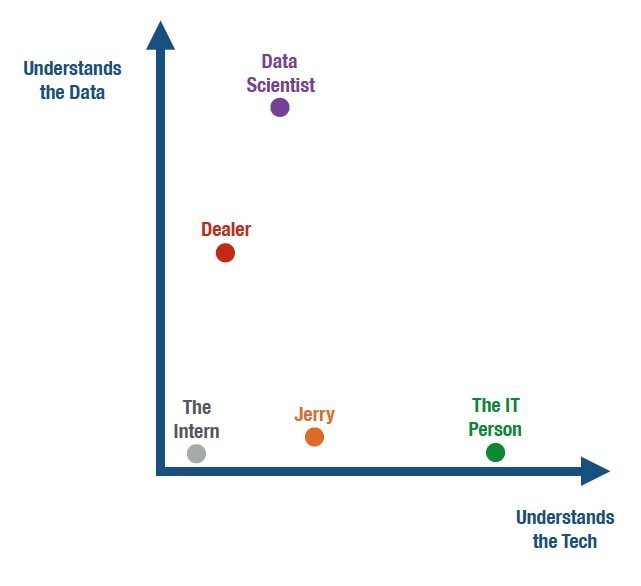
Through extensive research, we identified three primary user groups with distinct needs and technical capabilities:
Fleet Managers
Technical Level: Basic to Intermediate
Primary Goals: Monitor vehicle performance, track maintenance schedules, optimize routes
Pain Points: Complex interfaces, too much technical jargon, difficulty finding relevant data
Business Analysts
Technical Level: Intermediate to Advanced
Primary Goals: Generate reports, analyze trends, support decision-making
Pain Points: Limited customization options, inflexible reporting tools, data silos
Data Scientists
Technical Level: Advanced
Primary Goals: Deep data analysis, custom integrations, predictive modeling
Pain Points: Lack of API access, limited data export options, restrictive configuration
Understanding the Customer Flow
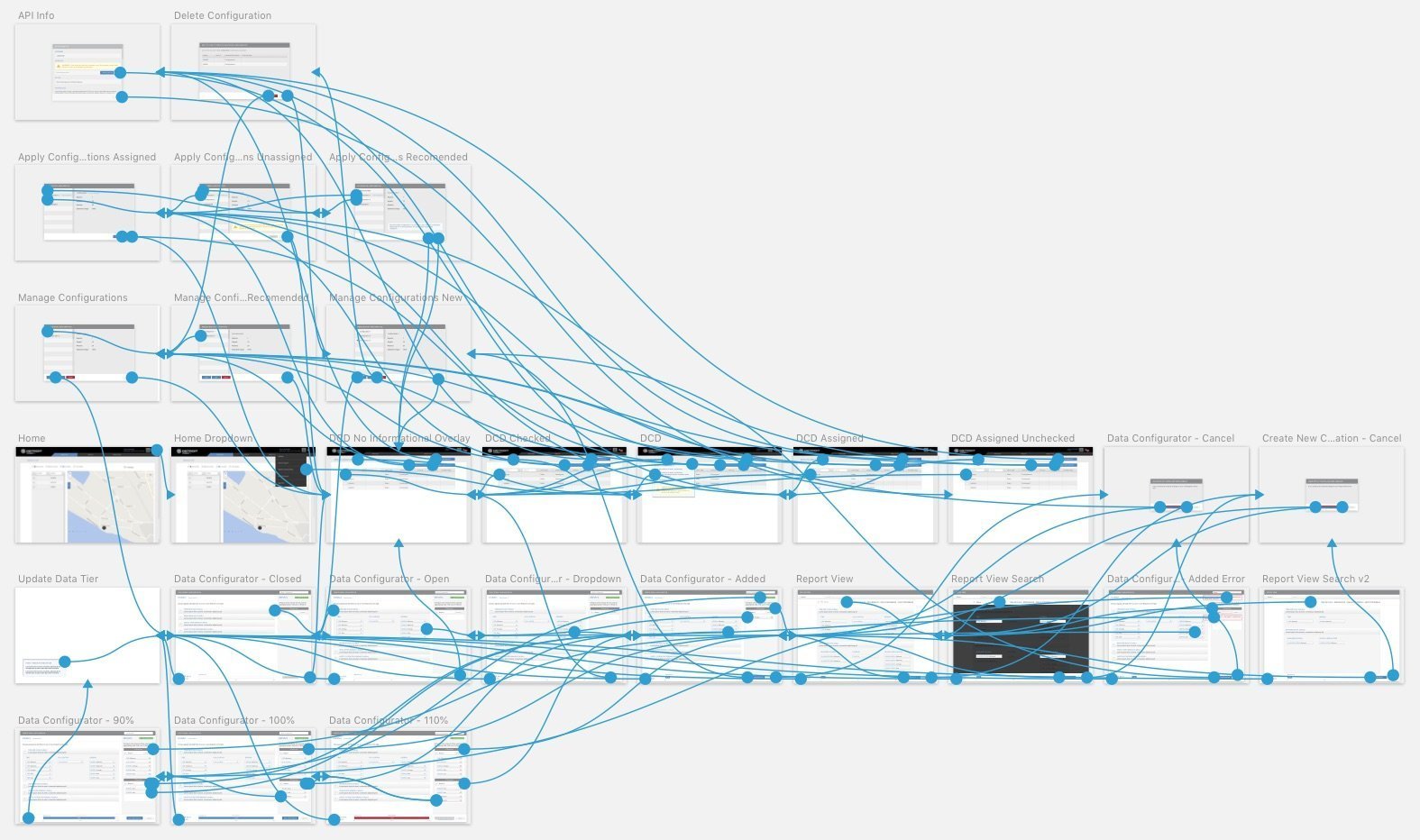
Before designing the interface, we mapped the complete customer journey to understand how different users interact with fleet data throughout their workflows.
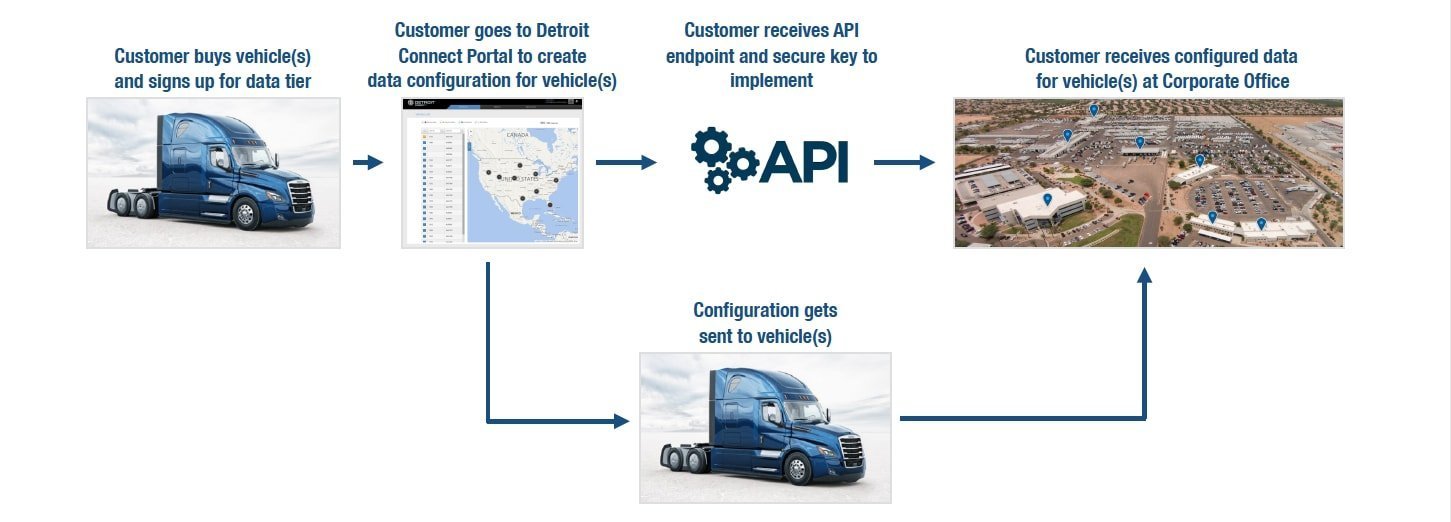
This flow analysis revealed critical friction points where users abandoned tasks due to complexity or unclear next steps. These insights directly informed our design priorities and helped us identify opportunities for streamlining the user experience.
Understanding the User
Our user research revealed that successful fleet analytics tools must accommodate vastly different mental models and workflows. We conducted interviews with 15+ users across different organizations and technical backgrounds.
Key Research Insights
- Progressive Disclosure: Users needed different levels of detail based on their expertise
- Contextual Help: In-line guidance was crucial for less technical users
- Flexible Workflows: Power users wanted shortcuts while novices needed guided experiences
- Visual Feedback: Real-time preview of data configurations reduced errors significantly
Key Terms & Understanding
Given the technical nature of fleet analytics, establishing a common vocabulary was essential for creating an intuitive interface. We developed clear definitions and visual representations for complex concepts.
Data Streams
Continuous flows of vehicle telemetry data including GPS, engine diagnostics, fuel consumption, and driver behavior metrics.
Configuration Profiles
Customizable templates that define which data points are collected, how frequently, and in what format for specific use cases.
Fleet Segments
Logical groupings of vehicles based on criteria such as route type, vehicle class, or operational purpose.
Data Delivery Methods
Various ways data can be accessed including real-time dashboards, scheduled reports, API endpoints, and data exports.
Sketching and Whiteboarding
The design process began with collaborative sketching sessions to explore different approaches to data configuration. We focused on making complex technical concepts more approachable through visual design.
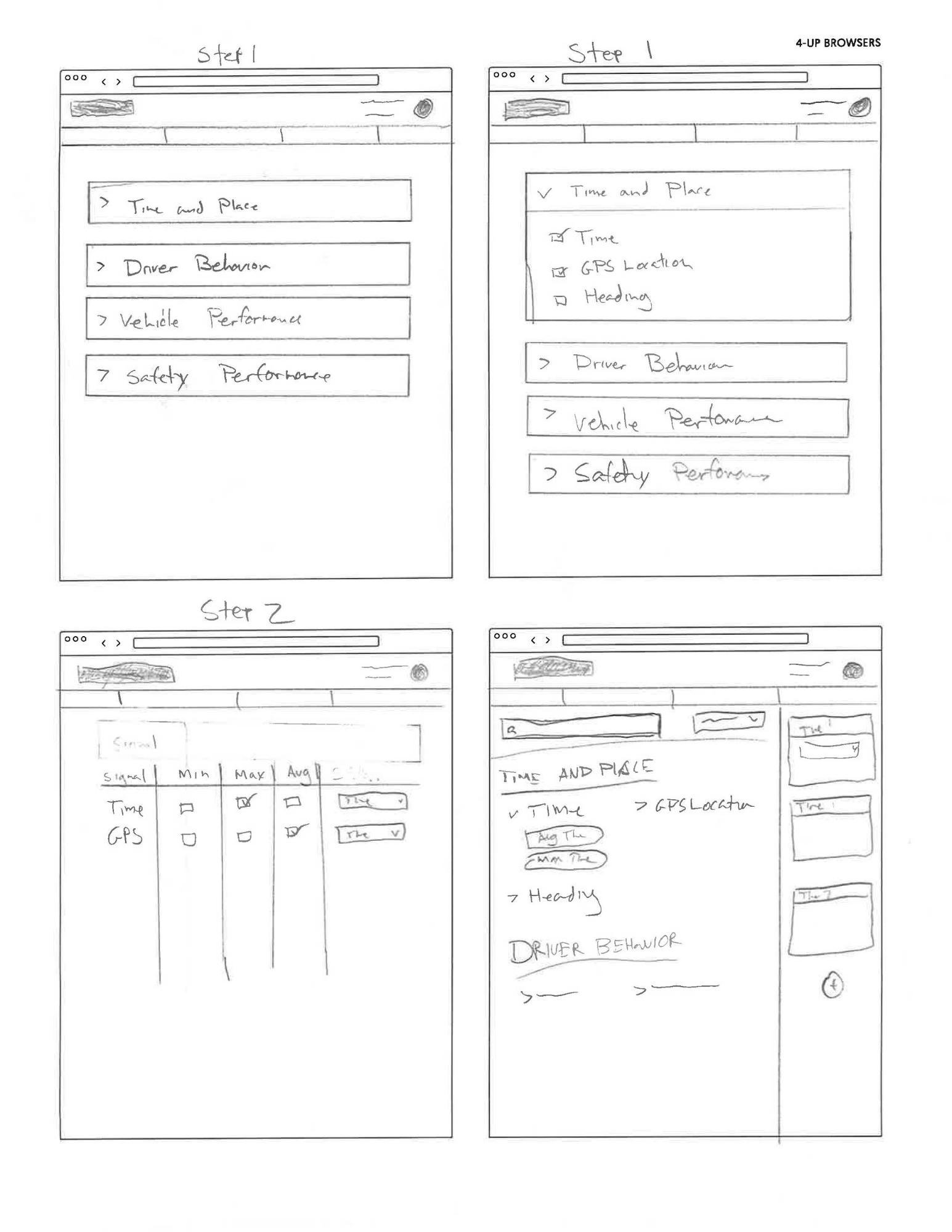
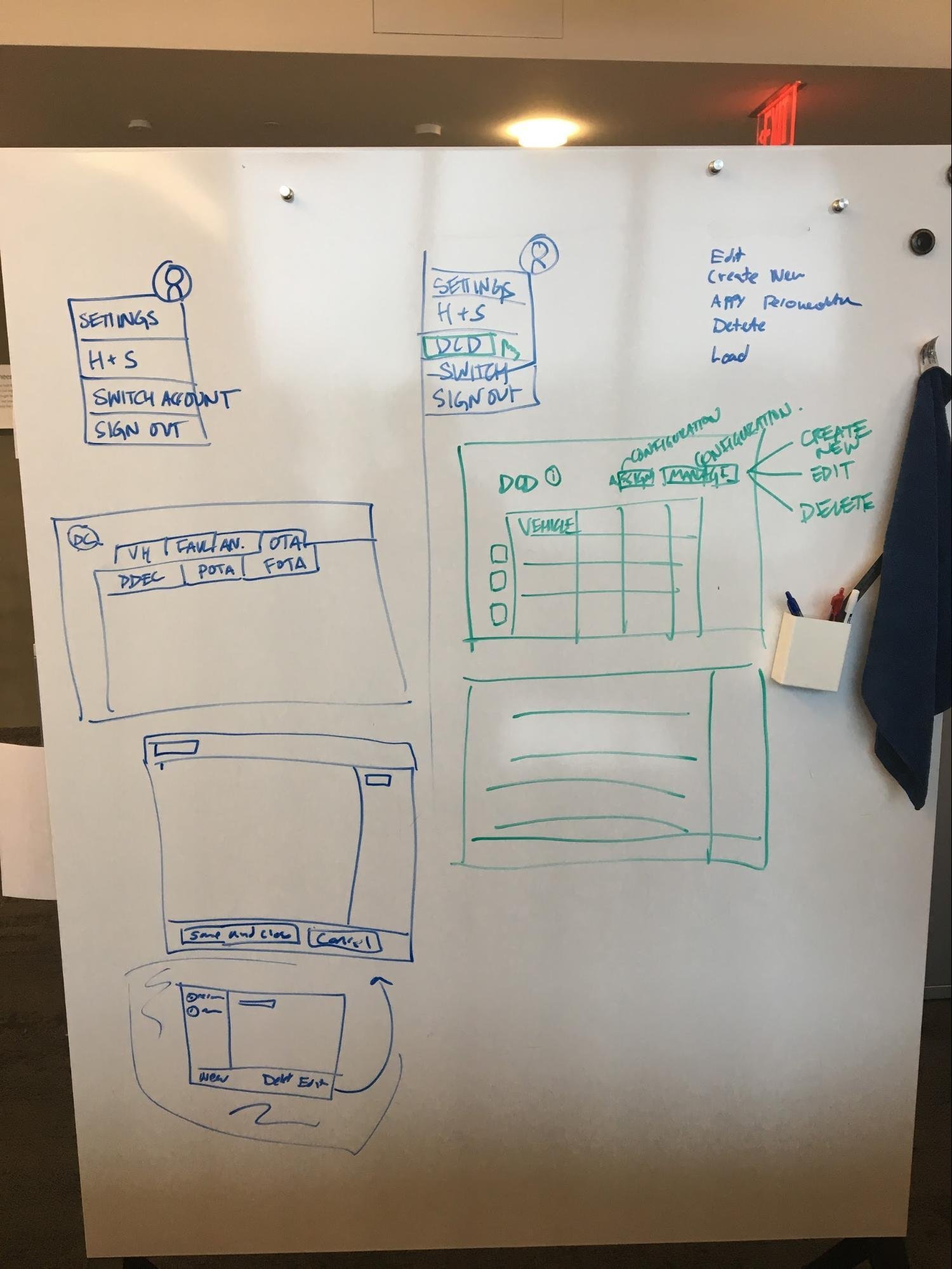
Prototyping and Deeper Wireframing
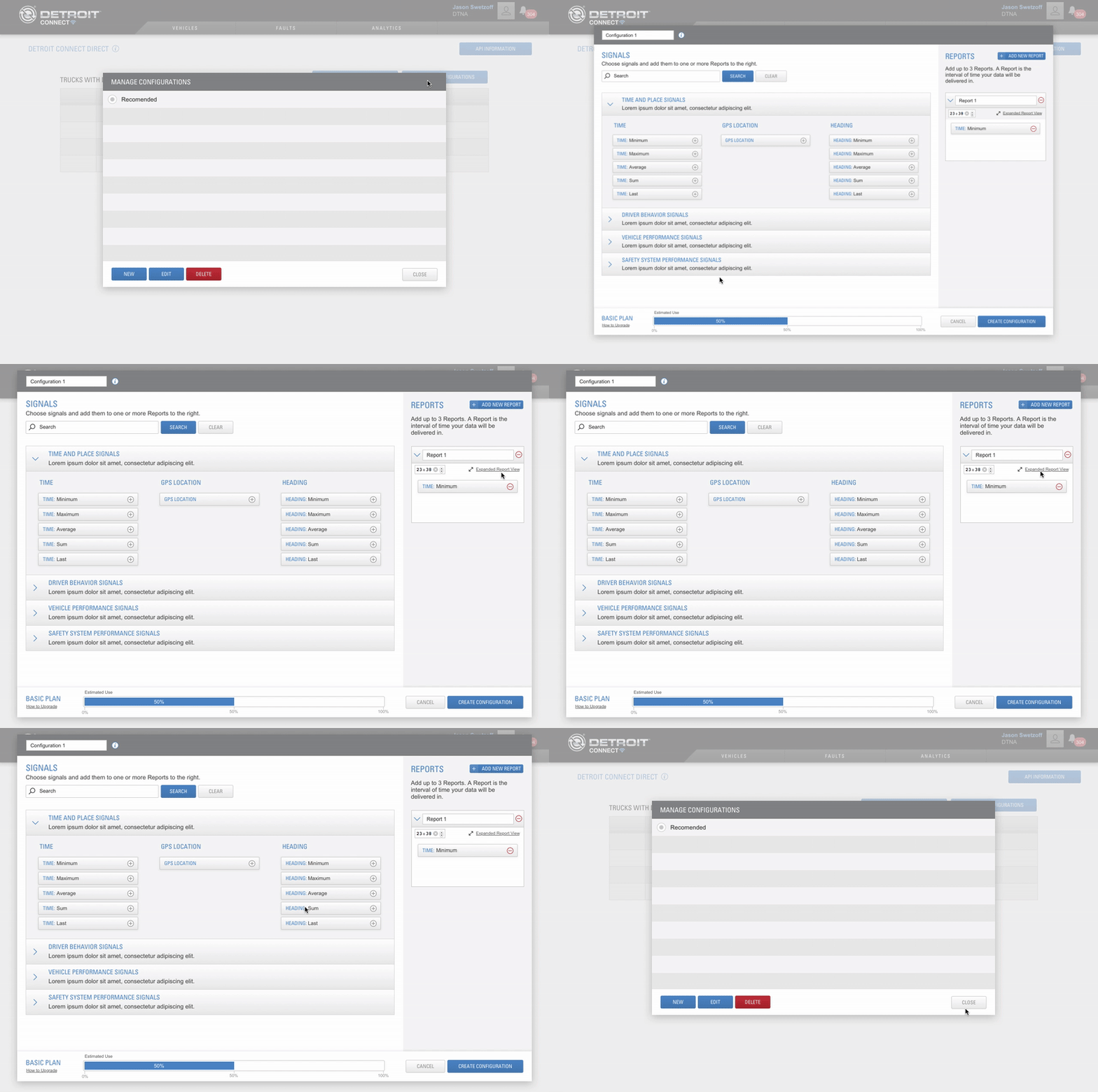
Moving from sketches to detailed wireframes, we focused on creating a progressive disclosure system that could accommodate both novice and expert users. The wireframing process helped us refine the information architecture and interaction patterns.
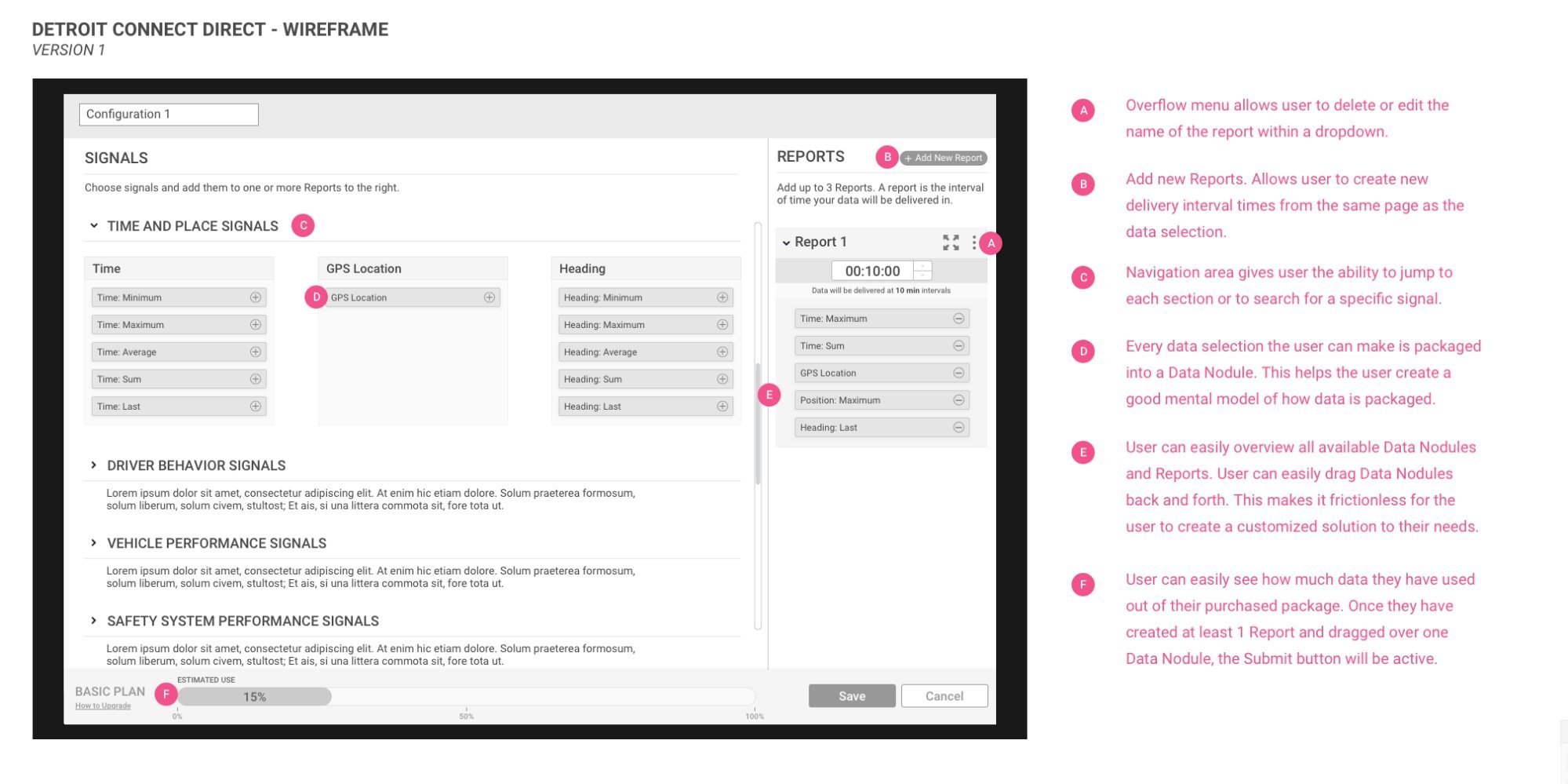
Final Design and Prototyping
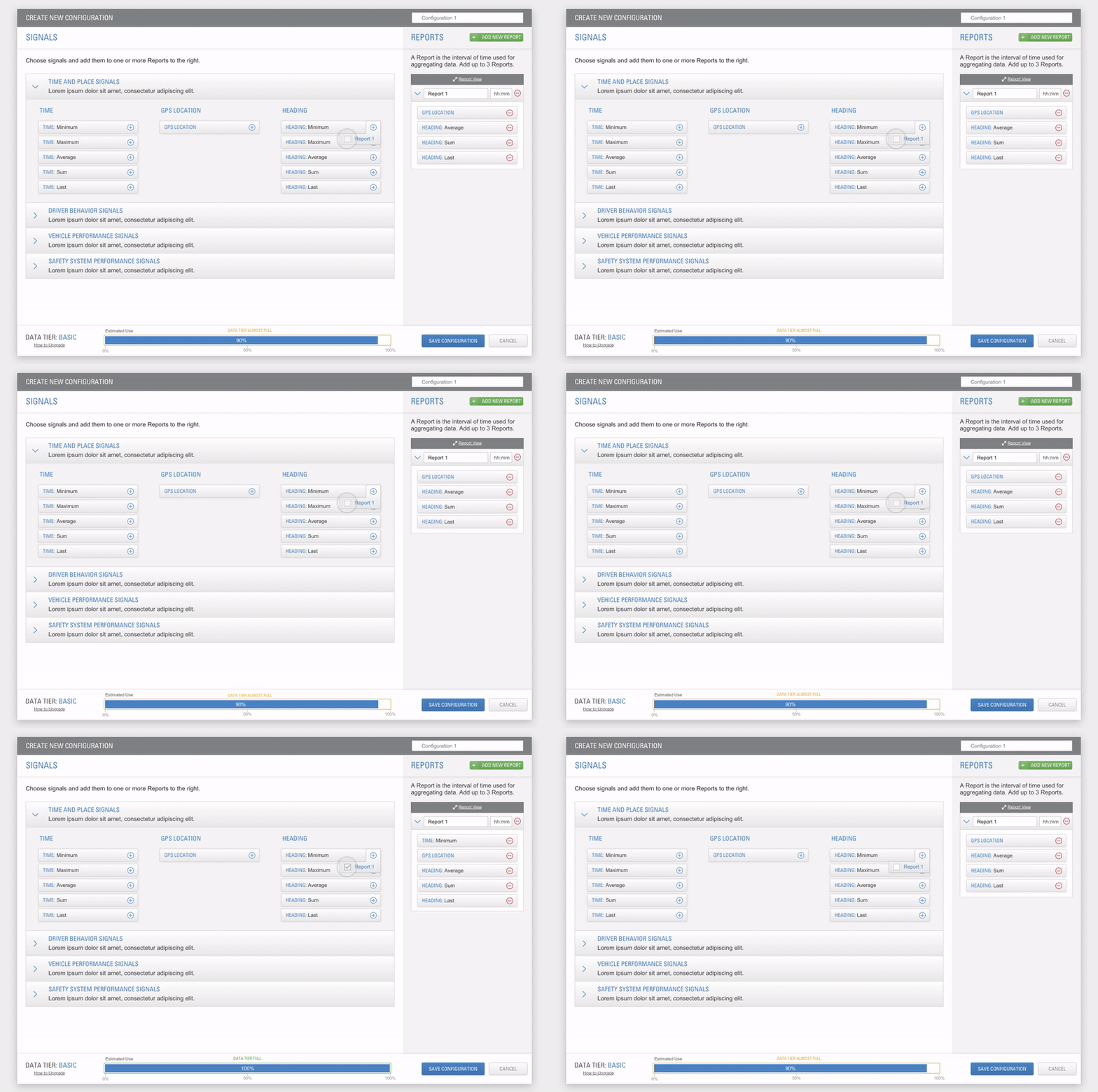
The final design solution featured a clean, intuitive interface that guided users through complex data configuration tasks. We implemented a card-based system that allowed users to build their data access profiles step by step.
Design Principles
- Progressive Complexity: Start simple, reveal advanced options as needed
- Visual Hierarchy: Clear information architecture guides user attention
- Immediate Feedback: Real-time preview of configuration changes
- Contextual Help: Just-in-time assistance without cluttering the interface
Final Touches
The final implementation phase focused on polishing the user experience through careful attention to micro-interactions, accessibility features, and performance optimization. We conducted extensive usability testing with real fleet operators to ensure the interface met their diverse needs.
Key Implementation Highlights
- Accessibility Compliance: Full WCAG 2.1 AA compliance with screen reader support and keyboard navigation
- Performance Optimization: Sub-2-second load times even with complex data configurations
- Cross-Platform Compatibility: Seamless experience across desktop, tablet, and mobile devices
- User Onboarding: Interactive tutorials and contextual help system for new users
Results
Detroit Connect Direct represents a significant advancement in commercial vehicle telematics, offering unprecedented data customization and integration capabilities for fleet operators. This adaptability addresses a common challenge in the telematics market where carriers often struggle to integrate vehicle data into their existing operational systems and has been a key driver of Daimler’s success contributing to the growth of its telematics ecosystem.
My UX strategy, design, and interaction solutions of the Detroit Connect Direct service has not only fostered stronger relationships with DTNA's key customers but has also generated a new revenue stream. This was achieved by creating and implementing tiered data plan offerings at the point of vehicle purchase. These plans provide customers with valuable features and benefits, enhancing their overall experience while creating a profitable business model for DTNA.
User Adoption
85%
Increase in platform usage within first 6 months
Training Time
60%
Reduction in onboarding time for new users
User Satisfaction
4.7/5
Average user satisfaction score in post-launch surveys